A Makeup Bag Reset Before a Weekend Away
A makeup bag reset for a weekend away helps you pack familiar products you will actually use, with a simple plan for outfits, occasions and touch-ups.
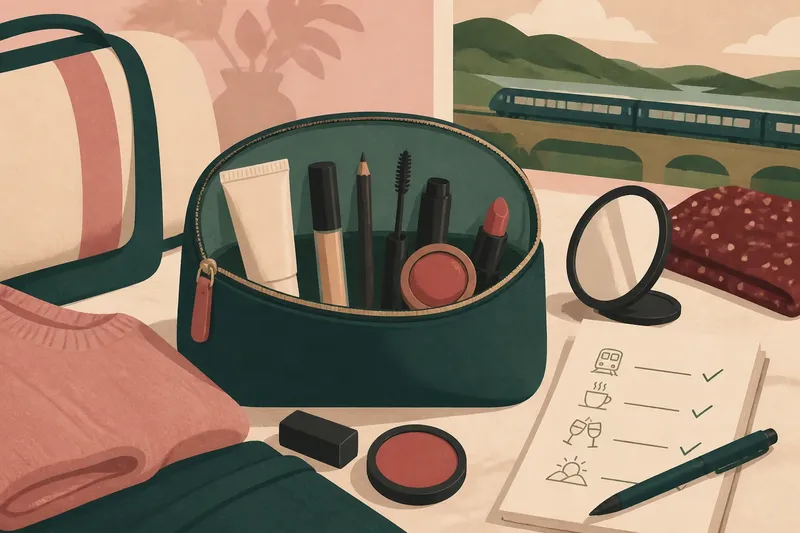
A makeup bag reset for a weekend away starts with one question: what do you genuinely want to put on while you are there? A dinner reservation, a long train ride and a slow morning call for different things, but none requires you to bring every lipstick and palette you own.
Think of packing as choosing a small, dependable cast for the trip, not assembling a portable version of your dressing table. The useful test is whether each item has a clear job in the plans you have, and whether you already know how it behaves on your face.
What do you want your makeup to do on this trip?
Start with the occasions, not the products. Jot down the moments that might prompt you to reach for makeup: travelling, meeting friends, going out for dinner, or getting ready for photographs. Add the ordinary stretches too, because they are often when the bag stays shut.
Next, describe the result you want in plain language. Perhaps you want to look awake after an early start, feel polished at dinner, or have a lip colour handy for a quick refresh. A desired result is more useful than a vague instruction to pack “options”; it points towards products you can actually name.
Keep the plan loose enough to survive a change of mood. If you love doing a full face for dinner, bring the few products that make that feel enjoyable. If the likely pleasure is a leisurely breakfast and bare skin, there is no prize for packing a complete evening look just in case.
How does a makeup bag reset for a weekend away work?
Make three small groups: products you expect to use, products you might use for a specific occasion, and products you are packing only because leaving them behind feels uncomfortable. The first group is the core. The second earns a place when it solves a distinct need; the third deserves a closer look.
Lay the likely choices on a towel or clean surface. Match each product to a moment in your plans, then notice where two items do nearly the same thing. If a tinted moisturiser already gives the finish you want, a separate base may not add enough to justify carrying it. If you enjoy both, keep the one you are more likely to reach for when you are tired.
Say you have a weekend with a long journey, a casual lunch and one dinner out. You might choose a familiar base product, concealer, brow pencil, mascara, a cheek colour that also works on your lips, and one lipstick you already like for evenings. The expected result is a compact selection that covers those moments without asking you to learn a new combination on the trip.
That example is a starting point, not a prescribed kit. Your skin, preferences, plans and existing products will change the answer. If you wear no base makeup at home, a trip is a poor time to pack one out of obligation.
Which products deserve space in the bag?
Give priority to familiar formulas and shades that fit more than one part of the itinerary. A soft brown pencil may work for brows and a subtle eye definition if that is how you normally use it; a neutral blush might suit both daytime and evening. Multi-use only helps when you actually like the result and know how to apply it.
Look for the products that make the rest of your routine easier. A mascara you can apply without fuss may matter more to you than an extra eye shadow. A concealer you use selectively might be more useful than a second foundation. This is not a ranking of products in general; it is a choice about what earns a role in your particular plans.
Consider the tools as part of the same decision. If you can apply your chosen cream products with clean fingers, a brush may be unnecessary. If a compact brush is what helps you use a powder neatly, bring that specific tool rather than a whole roll. A small mirror is useful only if the places you will get ready lack one or you prefer your own.
Do not turn the reset into an effort to discover your ideal travel routine. This is not the moment to introduce a new shade, test a long-wear formula or bring a product you have been meaning to learn. Familiarity is a practical feature: you can predict the look and spend less time troubleshooting.
What should you do with “just in case” products?
Ask each one what situation it is meant to solve. If the answer is a real event on your itinerary, it may be worth including. If it is an imagined emergency with no clear link to the trip, leave it at home and trust the products already chosen to handle ordinary variation.
One useful distinction is between a backup and a duplicate. A backup makes sense when a product is essential to your plans and you have a specific reason to expect it might be unavailable or difficult to use. A duplicate is often a second version of something you can already do with what is in the bag. For a short stay, duplicates tend to add bulk without adding a new option you truly want.
What is not worth the effort? Building a different full look for every possible outfit, decanting familiar products into containers simply to save a little room, or packing a product you dislike because it is small. A compact bag should make getting ready simpler, not create a new packing project.
How can you handle questions about your makeup bag?
Should I pack makeup for every outfit?
No. Choose a small group of shades and finishes that feel comfortable with the clothes you expect to wear. If one outfit has a special colour or mood, decide whether you genuinely want a matching makeup look before adding another product.
Is it better to take miniatures or familiar full-size products?
Either can make sense, depending on what you own and how you prefer to use it. A miniature is useful when it is a product you already know and can apply comfortably; a small container is not helpful if it makes the product awkward or unfamiliar.
What if I change my mind once I arrive?
Keep the core products flexible rather than packing several complete alternatives. A familiar lip colour, cheek product or eye pencil can often shift the feel of a look without requiring a second set of everything.
Should I bring a product I have not tried yet?
Usually, leave it for home, where you can work out how it wears and whether you enjoy using it. If you are curious about it, choose a low-pressure day before the trip to see whether it deserves a place in your routine at all.
How do you make the final edit?
Before packing, put the selected products beside your travel bag and imagine getting ready at the times you identified. Can you make the looks you want without searching for a missing tool or improvising with a product you never use? If not, add the one item that fills a genuine gap, rather than reopening the entire collection.
Keep the finished selection together in a pouch that suits the trip. Separating makeup from toiletries can make it easier to find what you need, and a washable lining is handy if a product marks the inside. Check product labels and the relevant carrier’s rules for any travel restrictions or special handling; those requirements can differ.
Then put the rejected products away rather than leaving them in a tempting second pile. A makeup bag reset for a weekend away works best when it reflects the version of getting ready you want to enjoy there: familiar, adaptable and small enough to carry without fuss.
One last useful check is to picture the first morning, not the most glamorous evening. If the bag includes what you reach for when you are unhurried—or when you are sleepy—you have packed for the actual weekend, not just its most photogenic moment.